So You Started a Podcast: A Statistical Eulogy
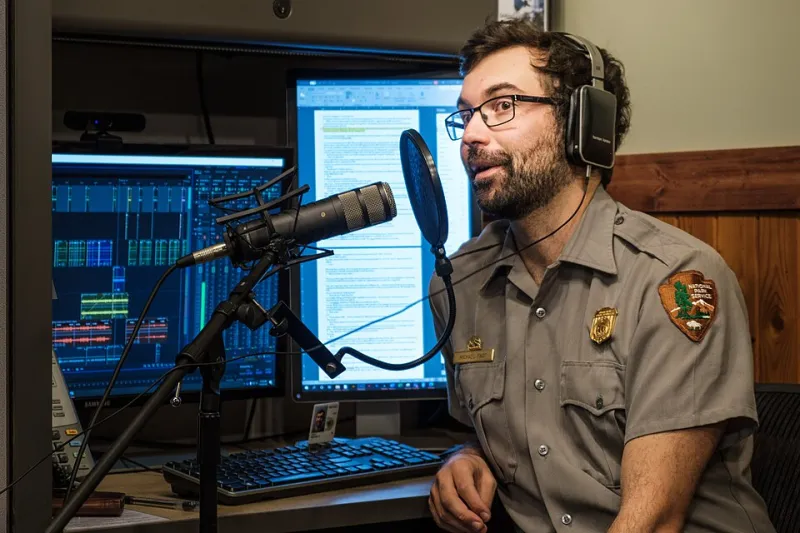
Photo: GlacierNPS, Public domain, via Wikimedia Commons
Somewhere out there, there's a podcast with four episodes. The intro music slaps. The host sounds genuinely excited in episode one. By episode three, they're apologizing for the gap since the last upload. Episode four drops six weeks later. Then nothing. The feed goes cold. The host moves on. The RSS file just... exists, floating in server space like a digital ghost.
This is not a rare story. This is the story.
The Numbers Are Brutal
Let's start with the stat that should be on every "start your own podcast" tutorial: according to data aggregated by Listen Notes and corroborated by multiple industry trackers, approximately 87% of podcasts that launch never make it past ten episodes. A significant chunk don't make it past three.
That's not a failure rate. That's a graveyard.
As of 2024, there are somewhere between five and six million podcasts registered across major directories. Active shows — meaning those that have published an episode in the last 90 days — number closer to 500,000. Do that math and you've got millions of abandoned projects, each one representing a person who was absolutely convinced they had something worth saying.
They probably did. The problem wasn't the idea.
What Actually Kills a Podcast
The podcasting industrial complex — the gear review sites, the hosting platforms, the "how to monetize your show" YouTube channels — has a vested interest in making you think starting a podcast is easy. And technically, it is. A halfway decent USB microphone, a free Buzzsprout account, and thirty minutes of setup and you're live.
What nobody in that ecosystem emphasizes quite as loudly: the work of sustaining a show is almost entirely invisible and almost entirely unrewarded in the early stages.
Here's what the dropout data actually reflects:
The feedback desert. Most new podcasts launch to an audience of roughly zero. Not a small audience — zero. The silence is deafening. Without listener feedback, download numbers, or any signal that the work is landing, motivation evaporates fast. Humans aren't wired to produce content into a void indefinitely.
The economics are backwards. Independent podcasting costs money before it makes money — often long before, if ever. Hosting fees, editing software, a decent mic setup, and even modest marketing add up. Sponsorships don't materialize until you have an audience, and building that audience takes months of unpaid labor. Most creators hit a financial reality check around episode eight and quietly do the math.
The time tax is underestimated. A thirty-minute episode doesn't take thirty minutes to make. Recording, editing, writing show notes, creating social clips, distributing, and promoting a single episode can run four to eight hours for an independent creator doing it solo. Multiply that by weekly output and you're looking at a part-time job that pays nothing.
The "Golden Age" Narrative Was Always Marketing
For about a decade, the media industry ran a very specific story: podcasting was the wild west, the last great open frontier of audio storytelling, where anyone with a voice and a vision could build an empire. Serial launched in 2014 and everything changed. The golden age was here.
That narrative was real — for a very specific window, for a very specific type of creator. It was also aggressively promoted by the platforms and investors who needed content to justify their infrastructure spending.
Here's the contrarian read: the golden age of independent podcasting was already closing by the time most people decided to start one.
Spotify spent over a billion dollars acquiring podcast studios and exclusive deals between 2019 and 2022. iHeartMedia, Audacy, and Amazon followed with their own consolidation plays. The result? The top of the podcast chart looks increasingly like traditional media — familiar celebrity names, major network backing, and production budgets that an independent creator simply cannot match.
The "anyone can do it" promise wasn't exactly a lie. But it glossed over the fact that the market was quietly reorganizing around the same gatekeepers that dominated every other media format before it.
Why the Survivors Survive
This is where it gets genuinely interesting, because some independent podcasts do make it. A few even thrive. What separates them from the graveyard?
The data points to a few consistent factors:
They had an existing audience first. The most successful independent podcast launches in the last five years have come from creators who already had an email list, a YouTube channel, a social following, or a professional network they could activate on day one. The show wasn't their audience-building strategy — it was a new format for an audience they'd already built.
They narrowed obsessively. Broad topic shows die. "A podcast about life, business, and culture" competes with ten thousand identical pitches. Shows that own a weird, specific niche — competitive dog grooming, obscure true crime from the 1800s, deep dives into single NFL seasons — find their people and hold them.
They treated consistency as the product. Not audio quality. Not guest caliber. Consistency. Listeners build habits around shows that show up reliably. Miss a few weeks and the habit breaks. Break the habit and the subscriber churns. The shows that last are the ones that treat the publishing schedule as non-negotiable.
What This Means If You're Still Thinking About Starting One
None of this is an argument against podcasting. It's an argument for going in with clear eyes.
The medium is genuinely powerful. Long-form audio creates intimacy that almost no other format can replicate. The right show, built around a real niche, with a host who shows up consistently, can build a loyal audience that follows them for years.
But that outcome requires treating it like a craft with a long runway — not a side hustle that pays off in six months.
If you're going to start, start small and sustainable. Two episodes a month you can actually produce beats four episodes a month you'll abandon by spring. Build your email list before you launch. Find the ten people who would genuinely miss the show if it disappeared, and make it for them first.
The five million abandoned feeds aren't evidence that podcasting doesn't work. They're evidence that the gap between "I should start a podcast" and "I have a podcast people actually listen to" is a lot wider than the gear review sites want you to know.
The summary version? The medium is real. The gold rush is over. The work was always the point.