The Bestseller List Is a Billboard, Not a Book Review
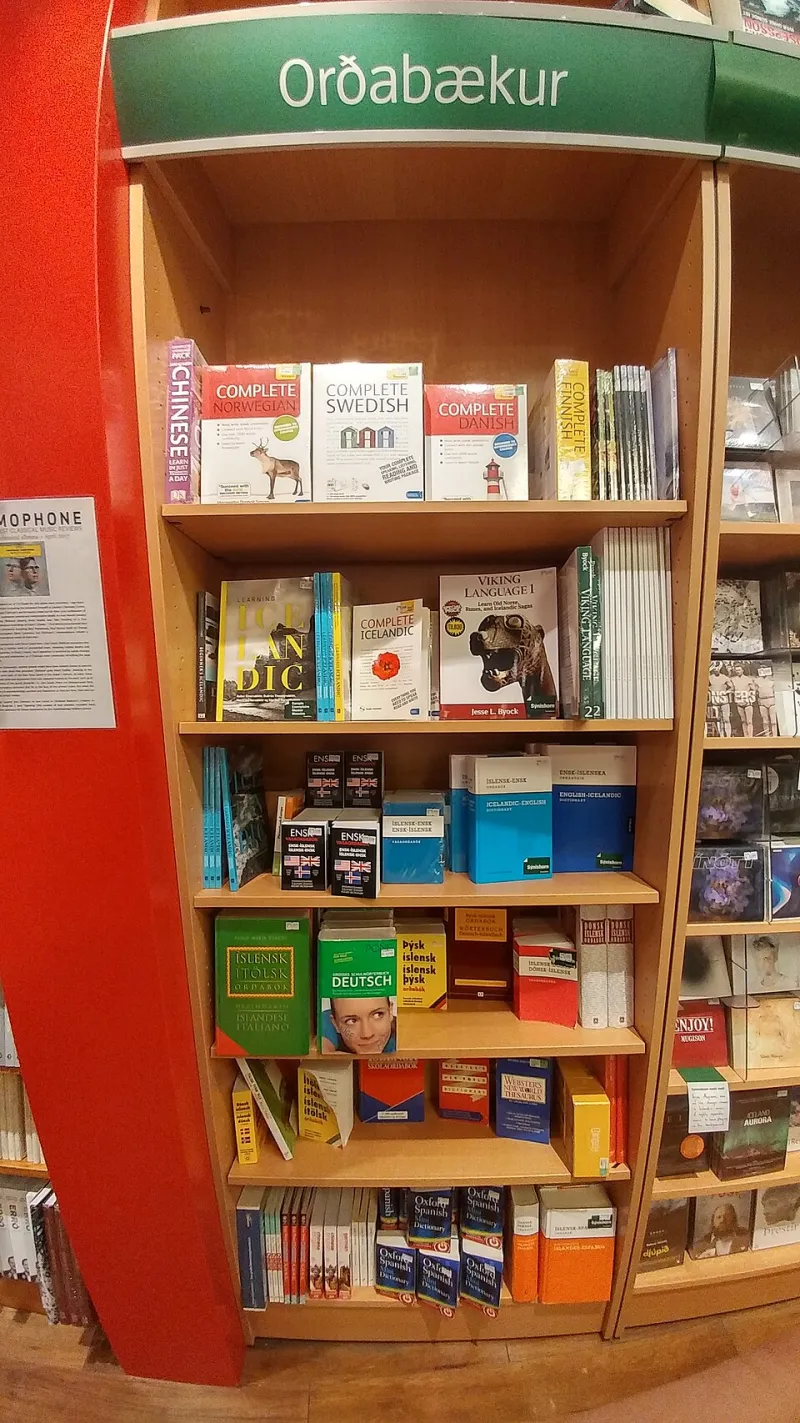
Photo: Jonashtand, CC BY-SA 4.0, via Wikimedia Commons
Somewhere in America right now, a publicist is coordinating a bulk purchase of 10,000 copies of a business book through a network of carefully selected independent retailers — the specific ones that report sales data to the lists that matter. The book will hit The New York Times bestseller ranking within two weeks of launch. The author will put "#1 New York Times Bestselling Author" in their bio forever. And the book might be perfectly fine, or it might be completely forgettable. Either way, the list isn't telling you.
This is the dirty infrastructure behind one of publishing's most trusted-sounding credentials. And once you understand how it works, you'll never look at a bestseller list the same way.
How the List Actually Gets Made
Let's start with the mechanics. The New York Times bestseller list doesn't measure total sales. It measures sales velocity across a curated sample of retailers during a specific reporting window. That distinction is everything.
Publishers and savvy marketing teams have known for decades that if you concentrate purchases — timing them to hit the right stores, in the right week, in sufficient volume — you can manufacture list placement regardless of organic demand. This isn't a conspiracy theory. It's an open industry practice. PR firms openly advertise "bestseller campaign" services. In 2013, a company called ResultSource was exposed for offering exactly this service to authors willing to pay for it — coordinating thousands of individual purchases to game the reporting system. The scandal made headlines for about a week, then everyone moved on.
Bulk purchases are the other lever. Organizations buy books by the pallet to give away at conferences, include in corporate training programs, or bundle with speaking engagements. Some of these purchases count toward list rankings. The author of a middling leadership book who also happens to be a popular keynote speaker can move enough units through their speaking circuit to crack the list without a single stranger choosing to buy their work.
The Marketing Budget Is the Message
Beyond the gaming, there's a more fundamental issue: the books that get promoted most aggressively are the ones attached to the largest marketing budgets, not the most significant ideas.
The Big Five publishers — Penguin Random House, HarperCollins, Simon & Schuster, Hachette, and Macmillan — control the majority of major retail shelf space, review coverage, and promotional placement. A debut author signed to one of these houses with a seven-figure advance is going to get airport bookstore placement, Today show segments, and NPR coverage. A scholar at a mid-tier university press publishing genuinely original research is going to get... a listing on their university website.
The result is a feedback loop. Visibility creates sales. Sales create list placement. List placement creates more visibility. The books that win are the ones that already had resources before anyone read a word.
What Silicon Valley and Academia Are Actually Reading
Here's where it gets interesting. If you spend any time in the circles where ideas actually move — the Slack channels of AI researchers, the reading lists that circulate among serious VCs, the syllabi of the professors whose students go on to build things — you find a completely different canon from what's on the airport bookstore shelf.
A few titles from 2024 and early 2025 that generated genuine intellectual traction without mainstream recognition:
"The Technological Republic" by Alex Karp and Nicholas Zamiska got some attention in defense-adjacent circles but was largely ignored by the mainstream business press despite laying out one of the more provocative arguments about the relationship between Silicon Valley and American national security in recent memory. It's a book that people in certain rooms are arguing about seriously. It never cracked the cultural conversation the way a softer, more palatable leadership book would have.
"Nexus" by Yuval Noah Harari did receive attention, but the substantive debate it generated among AI ethicists and historians of technology happened in academic journals and conference panels, not in the listicles that drive book sales. Most people who "know about" the book absorbed a three-paragraph summary and moved on.
In academic economics, working papers from researchers at places like the Becker Friedman Institute have been circulating arguments about AI's effect on labor markets that are more rigorous and more alarming than anything in the business bestseller category — but they'll never have a publicist.
The Niche Book Problem
There's also a structural reason why genuinely specialized books stay invisible: they're not written for everyone, and modern publishing increasingly demands that everything be written for everyone.
A book about the epistemology of machine learning systems, or the political economy of rare earth mining, or the neuropsychology of organizational decision-making might be exactly the right book for 40,000 people in the world. That's a meaningful audience. It's also nowhere near enough to generate the kind of sales velocity that gets you on a list — or into an airport bookstore, or onto a morning show segment.
The economics push authors and publishers toward broad, accessible, anecdote-heavy books that can be explained in a subtitle. "The surprising science of why X makes you Y" has a better shot at the list than a carefully argued 280-page monograph that requires you to already know something before you open it.
How to Find the Books That Actually Matter
So what do you do with this information? A few starting points:
Follow the footnotes. When you read a book that genuinely challenges you, look at what it cites. The books serious authors are learning from are often far more interesting than the books those same authors eventually write.
Track what specific communities are reading, not what "everyone" is reading. Newsletter writers in niche domains — AI safety, behavioral finance, urban policy — often publish reading lists that reflect real intellectual engagement. Those lists are gold.
University press catalogs are underrated. MIT Press, University of Chicago Press, Princeton University Press — these catalogs are full of books that will never be bestsellers and will absolutely change how you think about something.
Ignore the subtitle. The books written to be bestsellers often announce themselves in the subtitle. "One Simple Habit That Will Transform Your Everything" is a marketing document. Treat it like one.
The bestseller list isn't useless. Occasionally a book earns its placement honestly, through genuine word-of-mouth and organic demand. But treating it as a guide to what's actually worth reading is like treating the Billboard Hot 100 as a guide to the most significant music being made. It tells you what's popular. That's a different thing entirely.
The books that are actually reshaping how people think are out there. They're just not on the billboard.